The Fundamentals
How Generative Systems Work
Understanding the mechanics behind the magic helps us appreciate the skill involved. It is not just pressing a button; it is about designing complex rules that guide the output.
The Role Of Algorithms
An algorithm is simply a set of rules the computer follows. In art, these rules determine shapes, colors, and patterns, acting as the digital brushstrokes of the piece.
Controlled Randomness
Artists introduce random variables to ensure no two results are exactly alike. This element of surprise is what makes the genre so exciting and unpredictable.
Feedback Loops
Some systems learn from their own output. By analyzing what it has just created, the program can make adjustments for the next iteration, evolving like a living organism.
Data Sets
Many modern AI art tools rely on vast collections of images. The system studies these examples to understand style, composition, and texture before creating something new.
Neural Networks
These are complex computing systems inspired by the human brain. They allow the computer to interpret abstract concepts and generate art that feels incredibly human.
The Rendering Process
This is the final step where the code turns into a visual image. Depending on the complexity, rendering a single high-quality piece can take anywhere from seconds to hours.
Applications And Impact
Applications And Impact
The influence of procedural generation extends far beyond gallery walls. It is reshaping industries and offering new tools for creative minds everywhere.
Democratizing Creativity
New tools allow anyone to express themselves visually. You do not need years of drawing practice to bring an idea to life, just a creative vision and the right software.

Unique Design Solutions
Designers use these methods to create branding that varies endlessly. Imagine a logo that changes slightly every time you see it, yet remains recognizable.
Educational Value
For students, this field bridges the gap between computer science and fine arts. It shows that logic and emotion can coexist and support each other.
Efficiency In Production
In gaming and film, generating assets automatically saves thousands of hours. Artists can focus on the big picture while the computer handles the details.
A Brief History Of Algorithmic Art
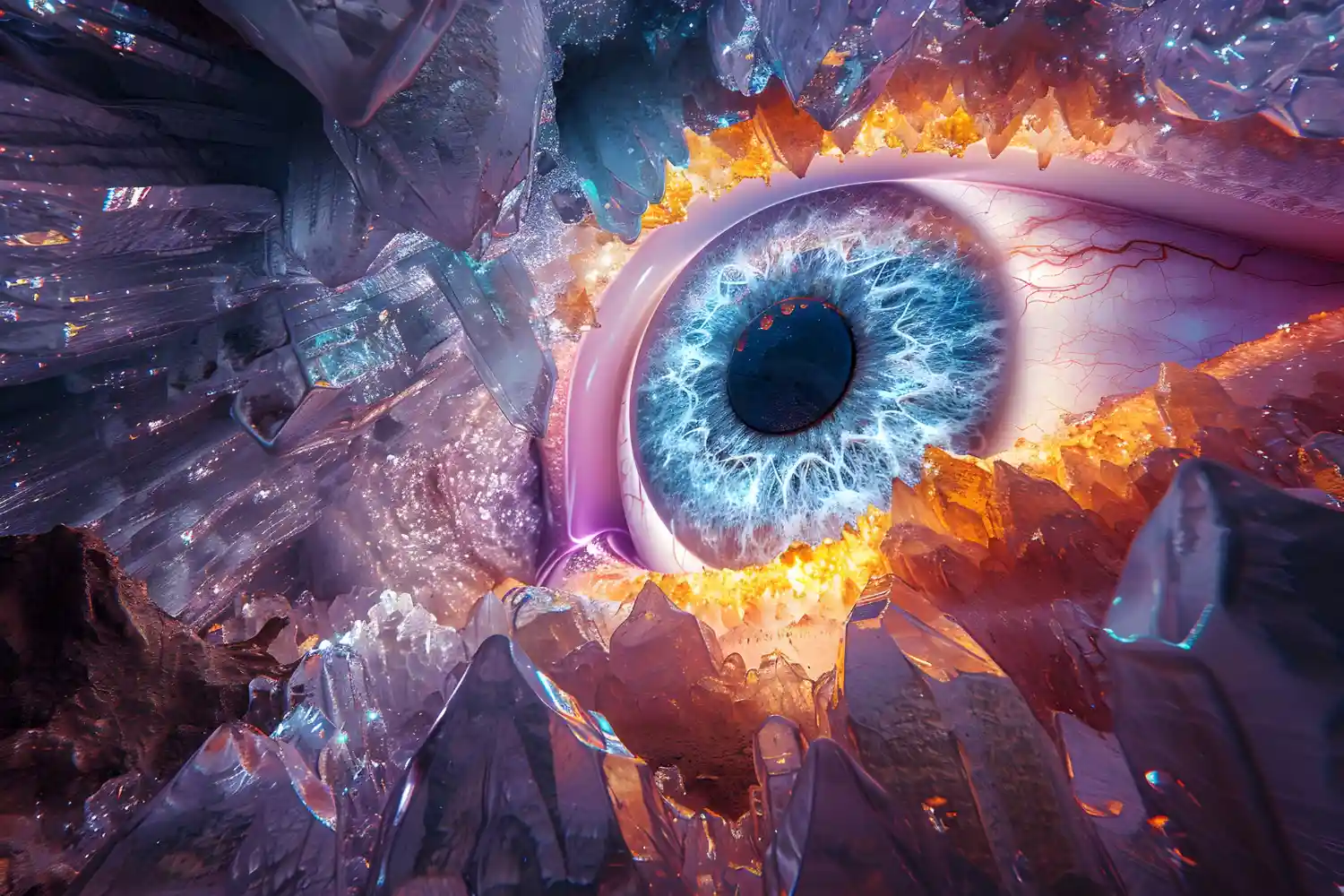
The roots of this movement go back much further than the current AI boom. In the 1960s, pioneers began using early plotters and mainframe computers to draw geometric patterns. These early experiments laid the groundwork for everything we see today. They proved that machines could produce aesthetically pleasing forms without direct human hand movement.
As technology advanced, so did the complexity of the output. The 1990s and 2000s saw the rise of code-based art platforms where programmers could share their sketches. This era moved the medium from static lines to complex, moving, and interactive visuals. It was a time of exploration that defined the aesthetics of the digital age.
Today, we are in the golden age of AI-driven generation. With powerful graphics cards and smart software, the barrier to entry has lowered significantly. We are seeing a massive influx of new styles, from hyper-realistic portraits to abstract dreamscapes. It is a thrilling time to be involved in this space, as the definition of art continues to expand day by day.
Voices Of The Industry
Voices Of The Industry
The debate around artificial intelligence and art is lively and full of insight. Here is what some thinkers and creators have to say about this evolution. Academic writing can feel overwhelming during peak exam periods. Writing service that really helps students handle essays and written projects with greater ease.
“The computer is the most remarkable tool that we have ever come up with. It is the equivalent of a bicycle for our minds.“
Steve Jobs
Co-founder of Apple
“Generative art is about the artist giving up control to the system they created. It is a partnership, not a replacement.”
Casey Reas
Artist and Co-creator of Processing
“I do not think AI will replace artists. I think it will replace artists who do not use AI.”
Refik Anadol
Media Artist and Director
Articles
Visit Our AI Creative Lab
If you want to dive deeper into tutorials and artist spotlights, check out our blog. We break down complex topics into easy-to-read articles for everyone. Many learners struggle to keep up with written coursework. https://writepaper.com/ provides academic assistance that fits into demanding schedules.